



The Citrine is the sunny stone of joy and abundance — bright yellow to golden brown, warm, optimistic. In crystal healing, it is considered a stone of self-confidence, drive, and prosperity. One important note right away: most “citrine” sold in stores is actually heat-treated amethyst — genuine natural citrine is rare. In this guide, you’ll find everything about the attributed effects of citrine on the mind, body, and chakras, plus application, care, and the most common questions from our shop in Nümbrecht.
Citrine — quick facts at a glance
| Mineral class | Oxide / quartz group (SiO₂ with traces of iron) |
| Color | light yellow to golden brown, honey-colored |
| Hardness (Mohs) | 7 out of 10 |
| Crystal system | trigonal |
| Chakra | Solar plexus chakra (Manipura) |
| Zodiac sign | Gemini (main), Virgo, Leo, Aries |
| Element | Fire / Air |
| Suitable for gemstone water | Yes ✓ |
| Sunlight | Yes ✓ — Citrine does not fade (lexicon-confirmed) |
| Main sources | Brazil, Madagascar, Russia, USA (genuine natural citrine is rare) |
What is Citrine? Mineralogy and origin
Citrine is the yellow to golden-brown variety of quartz — chemically once again SiO₂, with its color coming from tiny traces of iron. That makes it a direct relative of rock crystal, amethyst, rose quartz, and smoky quartz.
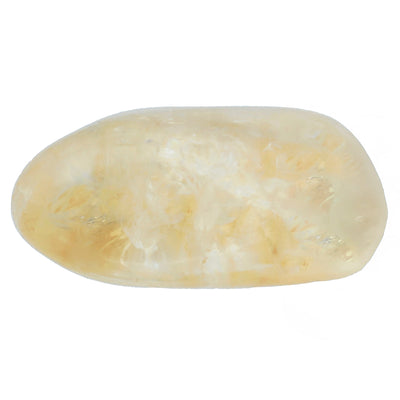
Important to know: Genuine natural citrine is rare. More than 90% of stones sold as “citrine” are heat-treated amethysts — amethyst heated to 400–500 °C until its violet turns yellow-orange. This is not a fake in the strict sense (it is real quartz), but it is good to know. Natural citrine is usually paler lemon yellow, while heat-treated citrine is often a stronger orange-brown with a whitish base.
Genuine natural citrine deposits are found in Brazil, Madagascar, and Russia. With a Mohs hardness of 7, citrine is durable and well suited for everyday use.
Meaning & history
Citrine has been known since antiquity — Greeks and Romans wore it as jewelry, and its name is derived from the French citron (lemon). In Scotland, citrine was a popular gemstone for traditional daggers and brooches.
Its best-known nickname is “merchant’s stone” or “trader’s stone” — merchants traditionally placed citrine in the cash box so that prosperity would “not run out.” This tradition is the source of its modern reputation as a stone of abundance and prosperity.
In modern crystal healing, citrine is considered the stone of joy, self-confidence, and drive — a consistently “bright,” uplifting stone without heavy sides.
Attributed effects of Citrine on the psyche
Citrine is the stone we recommend when someone says: “I need some momentum again” or “I’m lacking self-confidence.” In crystal healing, the following effects are attributed to it:
- Joy & optimism: Citrine is said to brighten the mood, bring new joy for life, and help break out of overthinking loops.
- Self-confidence & self-worth: Traditionally used to help you not “play down your own light.”
- Drive & action: Considered a stone that gets you moving — good for procrastination and lack of motivation.
- Clarity in decision-making: Said to clear the mind and help recognize priorities.
- Abundance awareness: The “merchant’s stone” — said to encourage a mindset of prosperity and generosity rather than lack.
- Stress relief & processing: Used to process stressful experiences without getting stuck in them.
Citrine is therefore especially suitable for phases in which lack of drive, self-doubt, low mood, or professional reorientation are the topic — a stone for standing up and moving forward.
Attributed effects of Citrine on the body
In traditional crystal healing, the following physical effects are attributed to citrine — these statements come from traditional descriptions and are not a substitute for medical diagnosis or treatment.
- Digestion & stomach: Classically used for digestive complaints, stomach problems, and heartburn — fitting its solar plexus association.
- Metabolism: Linked with a stimulating effect on metabolism.
- Pancreas & blood sugar: Traditionally mentioned for topics related to the pancreas.
- Nerves & concentration: Said to support nervous exhaustion and difficulty concentrating.
- Immune system: Generally described as strengthening and revitalizing.
Citrine is well suited for gemstone water — place 2–3 cleaned water stones in a 1.5-liter carafe and let them steep for at least 1 hour. View citrine water stones and tumbled stones ↗

Citrine and the chakras
In chakra teachings, citrine is clearly assigned to the solar plexus chakra (Manipura) — the energy center above the navel, which stands for willpower, self-worth, drive, and personal energy. Its yellow-golden color corresponds directly to the frequency of this chakra.
In practice, citrine is placed on the solar plexus during meditation (about two finger widths above the navel). It is said to help you feel your own center of power and build self-confidence.
Citrine & the 7 main chakras
Citrine is a classic solar plexus chakra stone — it is said to strengthen the energy center for willpower, self-worth, and drive.
Citrine and the zodiac signs
Astrologically, citrine is the main stone for Gemini — it is said to help the communicative, versatile Gemini actually put ideas into action instead of getting scattered.
As a secondary stone, it is associated with Virgo (self-confidence instead of self-criticism), Leo (radiant joy for life), and Aries (focused drive). As a universal stone of joy, citrine suits every zodiac sign.
Using Citrine in everyday life
1. As jewelry — a daily mood booster
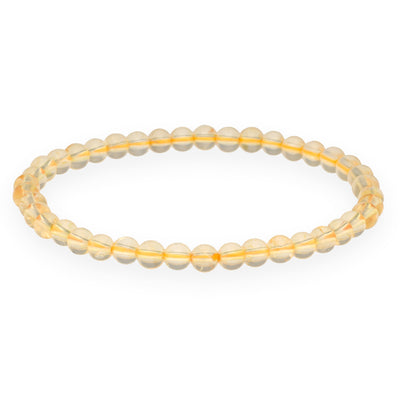
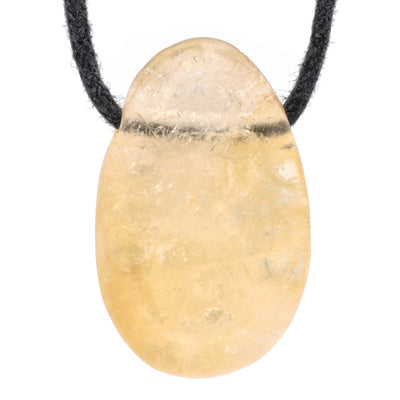
Wear a citrine pendant or bracelet all day. Durable (Mohs 7), warm in color — especially recommended during gloomy phases or when facing professional headwinds.
2. In your wallet or cash register — the “merchant’s stone”
The most traditional use: a small citrine in your wallet, in the store cash register, or at your workplace — as a symbol of abundance and prosperity.
3. In meditation — on the solar plexus
Place citrine on the energy center above the navel. It is said to strengthen self-confidence and your sense of personal power — good for topics like self-worth and assertiveness.
4. On the desk — against procrastination
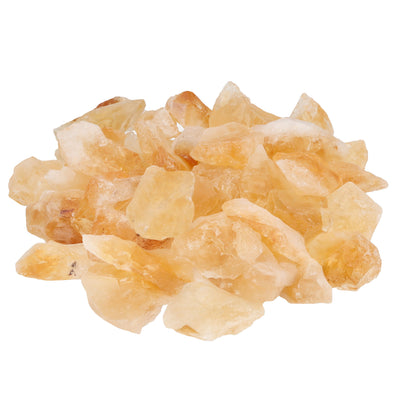
A citrine rough stone or point at your workspace is said to support drive, clarity, and the joy of getting things done.
Citrine bei Lebensquelle Plus
Echte Naturqualität — versandfertig aus Waldbröl, geprüfter Fachhandel.
Cleaning and charging Citrine
Clean & charge Citrine
Two steps, one ritual — citrine is robust (Mohs 7), only the sun should be chosen with care.
Discharge
Clear water — rinse under lukewarm running tap water for 1–2 minutes. Citrine is uncomplicated.
Alternatives: smudging (sage/Palo Santo), or overnight on hematite tumbled stones.
Charge
Sunlight — 2–3 hours on the windowsill. Citrine does not fade and energetically matches its sunny character perfectly.
Alternatives: moonlight (full moon) or on a quartz cluster.
⚠️ No salt. Citrine does not fade — sunlight is the lexicon-recommended charging method.
Recognizing authenticity
With citrine, “authenticity” is a special topic:
- Heat-treated amethyst: More than 90% of “citrine” in stores is heated amethyst. Recognizable by its strong orange-brown color, often with a whitish crystal base, very even in appearance. It is real quartz — but not natural citrine.
- Genuine natural citrine: Usually paler, lemon to honey yellow, with more even coloration and without the sharp orange-white contrast.
- Dyed glass: In the very low-price segment — too clear, too flawless, without natural inclusions.
Both quartz varieties — natural citrine and heat-treated amethyst — “work” similarly energetically, since both are real quartz. If you value natural citrine, ask specifically for it. At Lebensquelle Plus, we label the origin transparently.
Combining Citrine with other stones
- Citrine + rock crystal — rock crystal amplifies the attributed effect of citrine — a classic combination at the workplace.
- Citrine + aventurine — both optimistic — said to combine joy for life and serenity.
- Citrine + tiger’s eye — both golden solar plexus stones — the classic “success combination.”
- Citrine + amethyst (ametrine) — natural growth of both in one crystal — said to unite calm and drive.
- Citrine + smoky quartz — joy for life meets grounding — good when momentum should not “take off.”
Frequently asked questions about the effects of Citrine
01 What effect does Citrine have on the psyche? +
In crystal healing, citrine is said to promote joy for life, self-confidence, and drive. It is considered a sunny, consistently uplifting stone — said to help with lack of motivation, self-doubt, and low mood. This is not scientifically proven.
02 Which chakra is Citrine assigned to? +
Citrine is a classic solar plexus chakra stone (Manipura) — it is said to strengthen the energy center for willpower, self-worth, and drive.
03 Are most citrines genuine or heat-treated amethysts? +
More than 90% of stones sold as citrine are heat-treated amethysts. This is not a fake in the strict sense — it remains real quartz — but it is not natural citrine. Genuine natural citrine is rare and usually paler lemon yellow.
04 Which zodiac sign is Citrine for? +
Citrine is the main stone for Gemini and a secondary stone for Virgo, Leo, and Aries. As a universal stone of joy, however, it suits every zodiac sign.
05 Why is Citrine called the “merchant’s stone”? +
Merchants traditionally placed citrine in the cash box so that prosperity would not run out. This old tradition is the source of its reputation as a stone of abundance and prosperity.
06 How do you clean Citrine properly? +
Citrine can be discharged under running lukewarm water (Mohs 7, robust). Charge it classically in sunlight — citrine does not fade (lexicon recommendation). No salt.
07 Can I put Citrine in drinking water? +
Yes, citrine is well suited for gemstone water. Place 2–3 cleaned water stones in a 1.5-liter carafe and let them steep for at least 1 hour.
08 Does Citrine fade in the sun? +
No. Citrine does not fade — unlike amethyst, rose quartz, or fluorite. The lexicon confirms: sun is the recommended charging method for citrine.
09 How do I tell natural citrine from heat-treated amethyst? +
Natural citrine is usually paler, lemon to honey yellow, and evenly colored throughout. Heat-treated amethyst is often a strong orange-brown with a whitish crystal base and a sharp color contrast. Both are real quartz.
10 Which stones go well with Citrine? +
Citrine harmonizes with rock crystal (amplification), aventurine (optimism), tiger’s eye (success combination), amethyst (as ametrine), and smoky quartz (drive + grounding).
Conclusion
Citrine is the sunny stone of joy and drive — bright, optimistic, uplifting. If you’re looking for a stone for more momentum, self-confidence, or a more hopeful basic attitude, this is the right one. Whether as jewelry, a merchant’s stone in your wallet, or a water stone — citrine is a consistently “bright” companion.
In our citrine assortment ↗ you’ll find rough stones, tumbled stones, water stones, and jewelry — with transparent labeling of natural citrine and heat-treated material. Ready to ship from Waldbröl or directly on site in our shop in Nümbrecht.
Important note: The effects described here come from traditional crystal healing and are not scientifically proven. They do not replace medical diagnosis or treatment. If you have health concerns, please consult a doctor.
Further gemstone guides
- Rock Crystal effect — meaning, application & cleansing
- Amethyst effect — meaning, application & cleansing
- Clean and charge gemstones — the easy way
- Tiger's Eye effect — the golden success combination
- View all Citrine products
